



Everyone knows having a newborn is a full-time job. What about 200,000 of them? Another record-breaking spawning success at the Florida Coral Rescue Center (FCRC) is leaving coral aquarists with too many babies to handle. Here’s why that’s great news.
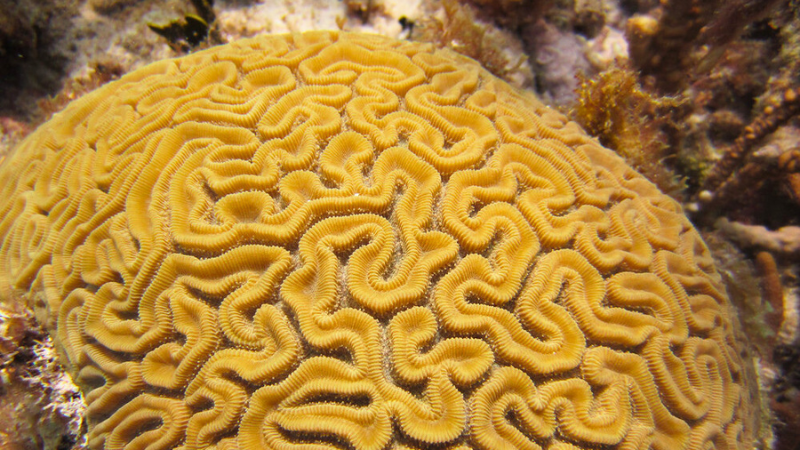
After distributing thousands of coral larvae to partners for further care and growth, biologists at the Orlando-based facility were left with 200,000 grooved brain coral larvae. Also known as Diploria labyrinthiformis, or DLAB among coral aficionados, this species is highly susceptible to stony coral tissue loss disease in the wild, making it all the more important to spawn genetically diverse specimens on land.
With partner facilities full of new babies, the FCRC partnered with Coral Restoration Foundation to put the 200,000 extra bundles of joy back onto Florida’s Coral Reef.
The success of these spawning events is a testament to the immaculate care FCRC staff provide to rescue corals. Corals can be very finicky when it comes to spawning and will only do so when happy (i.e. perfect water chemistry, temperature, consistent feeding cycle, etc.)
Rising ocean temperatures, invasive species, and disease have devastated large sections of the 350-mile reef. That’s why our support of FCRC is so critical. By rescuing, caring for, and breeding these corals, we’re ensuring a future for your reef and all the marine life that depends on it. You can help by learning more about coral restoration efforts, spreading awareness, or making a donation to our restoring our reefs fund. Together, we can give these baby corals a fighting chance.