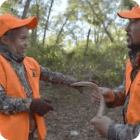

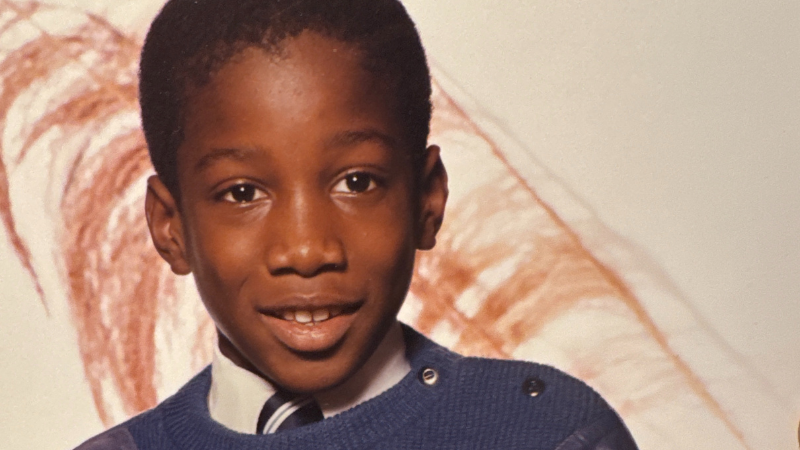
Our Foundation works to protect wild Florida and values the diverse experiences people bring to outdoor spaces. During Black History Month, we are highlighting Black voices who experience, document, and share Florida’s outdoors in meaningful ways. From behind the camera to out on the water with family, these stories reflect the many ways Black Floridians connect with nature and why representation in outdoor spaces matters.
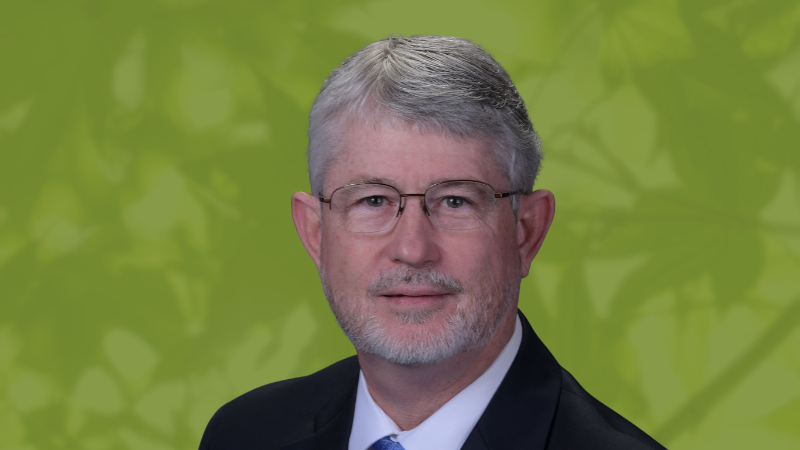
Meet Avery Bristol, a photographer and videographer for the Florida Fish and Wildlife Conservation Commission (FWC) whose work helps bring Florida’s wildlife, conservation projects, and outdoor experiences to life.
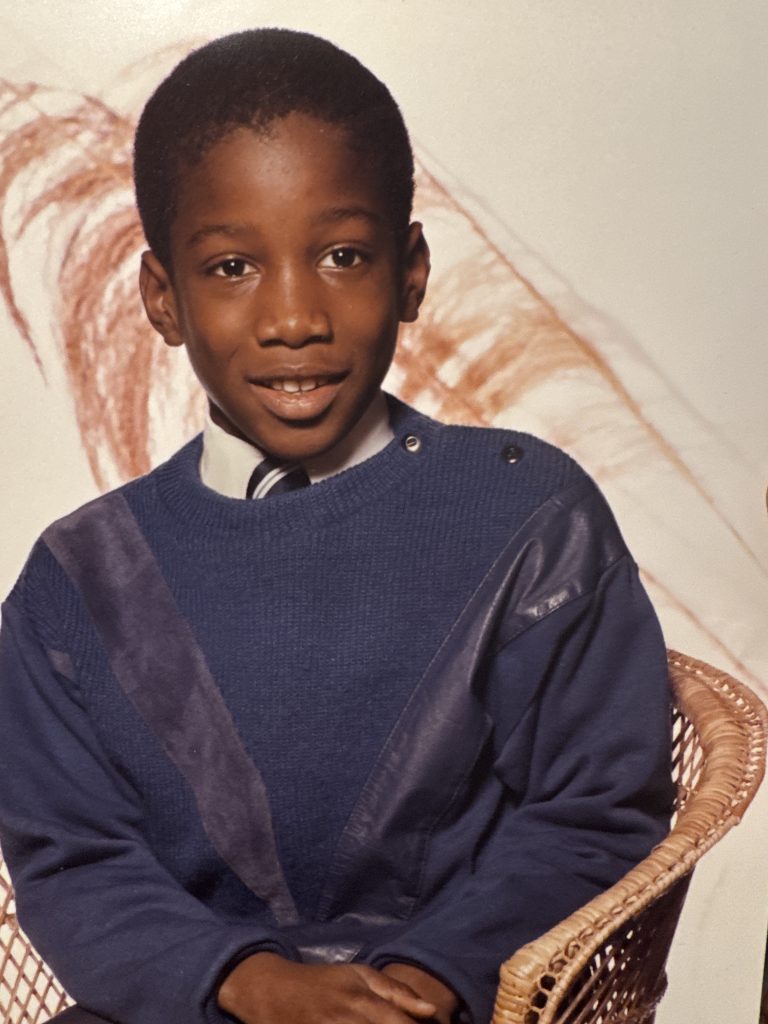
He was just nine years old when his mother recognized his imagination and bought him his first camera, a Canon Snappy film camera. “We had an old photo-mat booth right across the street from my apartment building so it made developing my images really easy and quick,” Avery said. “That camera never left my side.”
Videography came later when he attended Lively Technical Center in Tallahassee. There he learned the foundations of filming, editing, and storytelling with structured scripts, storyboards, and the flexibility to adapt on the fly.
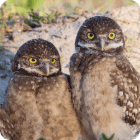
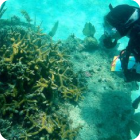
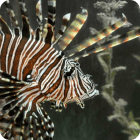
Today, Avery is often the person behind the camera documenting the work of FWC across the state. A typical day starts with careful preparation, packing gear and arriving early to scout out good light and strong backgrounds. From wide-angle landscapes to detailed close-ups, he approaches each assignment with intention.
“My main goal on each shoot is to have everything around me to be calm and relaxed for ultimate effectiveness,” he said.
Avery sees visual storytelling as a powerful way to connect people to conservation. For him, a photograph is not just a record of what happened, but an emotional invitation.
“My goal is to always pull out the beauty and nostalgia in what others see as mundane or take for granted,” he said. “ Behind every set of images, Avery notes, there is often unseen work that takes time and care. The organizing, editing, and accessibility steps, including adding keywords and alt-text for people with disabilities, are all part of making conservation stories available to everyone.
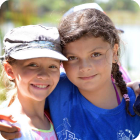
Among the hundreds of projects Avery has completed since joining FWC in 2015, one assignment stands out as especially meaningful: photographing the FYCCN Everglades youth camp in the summer of 2025.
“The campers and the counselors were so receptive to me and showed me a lot of love out there,” Avery said. The experience reminded him of attending summer camp as a child in New Jersey, and it touched him deeply to see how those images are now being used.
For Avery, helping tell Florida’s conservation story from behind the scenes is deeply personal. Growing up in the inner city, he did not experience nature in the way he does now, and his work continues to shape his own sense of discovery.
“I feel like a little kid sometimes, I ask our biologists questions all the time,” he said. Learning about species, behavior, and the natural world helps him anticipate the next shot and deepen the story he is capturing.
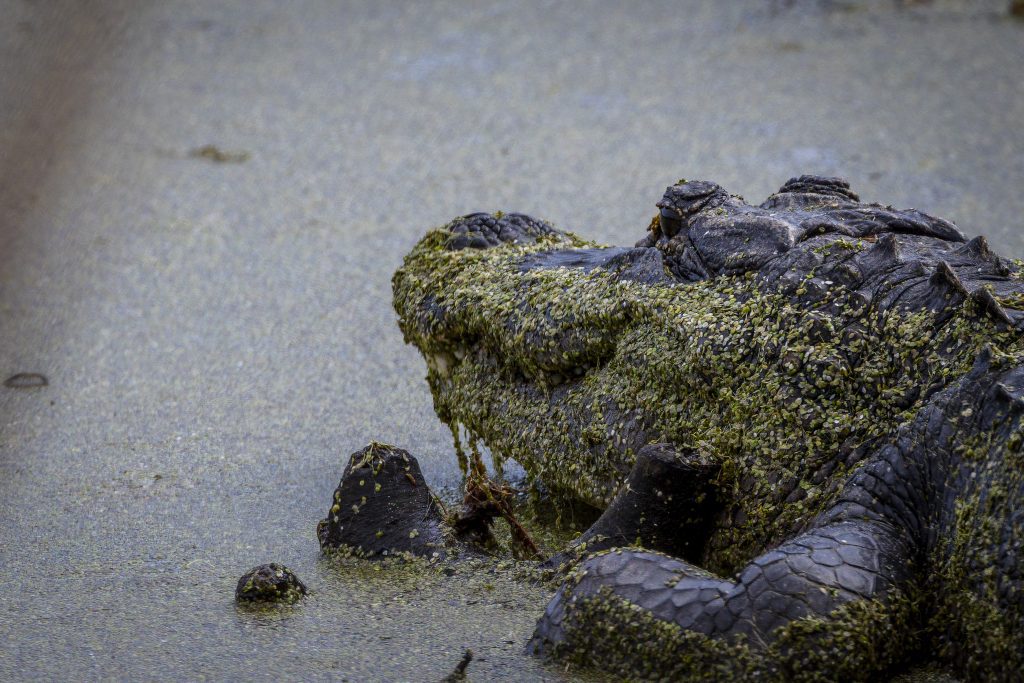
Avery hopes his work can inspire the next generation of photographers, especially those who may not have grown up seeing themselves behind the lens.
“Having fun and being unassuming is the best way to approach any photo project,” he said. “Trusting your gut instincts and following the light is always the key in my book.”
Through his images, Avery helps Floridians see the beauty, meaning, and wonder in the world around them, and reminds us that conservation is not only about what we protect, but also about how we share its story. You can view some of Avery’s work with FWC on their Flickr account.