







Long before thermostats were set to 72 degrees and glass towers lined the coast, Floridians built their lives around the heat.
In the 19th and early 20th centuries, surviving a Florida summer required ingenuity. Homes were designed not to fight the climate, but to work with it. Builders elevated houses on piers to allow air to circulate underneath. Tall, narrow windows encouraged cross-ventilation. Wide, wraparound porches provided shade and created outdoor living spaces where families gathered to catch evening breezes. High ceilings allowed hot air to rise, keeping rooms below comparatively cooler.
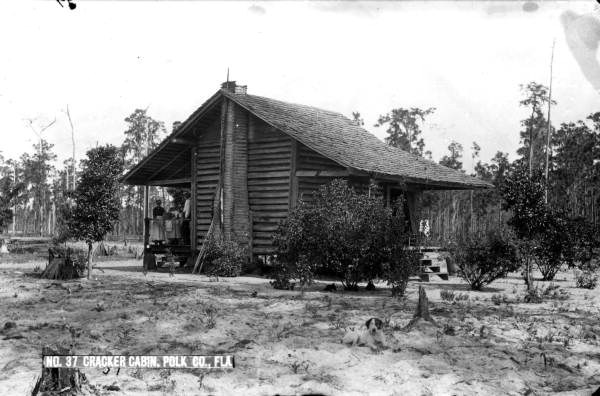
Across rural north and central Florida, “cracker houses” became a common sight. These wood-frame homes were practical responses to humidity, heavy rains, and relentless sun. Deep porches shaded the walls. Metal roofs reflected heat. Long central hallways helped move air from one end of the house to the other.
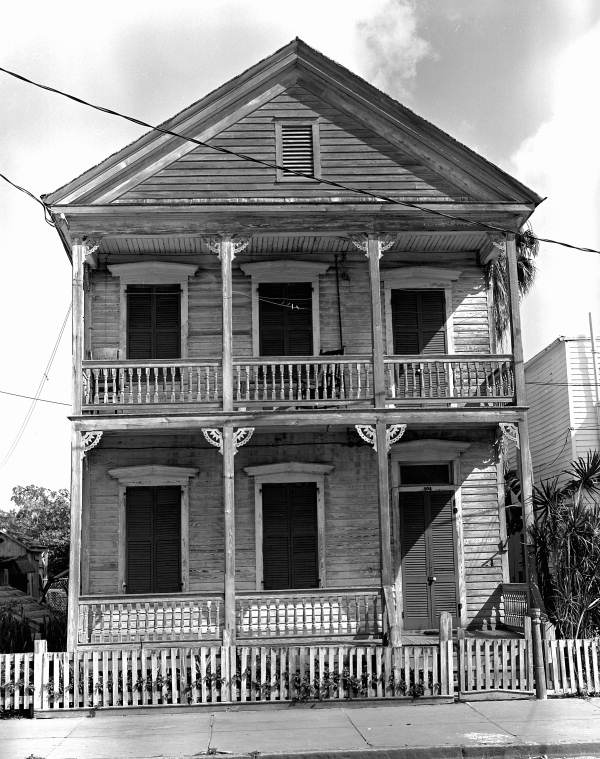
Farther south, a different but equally climate-smart design took shape. In Key West and other coastal communities, Conch houses were built by Bahamian immigrants who arrived in Florida in the 1800s seeking work in industries like wrecking, fishing, and cigar making. They brought with them building traditions shaped by Caribbean winds and tropical heat.
Conch houses typically featured large windows, tall ceilings, and wide verandas that wrapped around the structure. Many included louvered shutters that could be adjusted to catch ocean breezes while blocking direct sunlight. Homes were often elevated and oriented to take advantage of prevailing winds. These design choices were not decorative flourishes; they were essential tools for comfort in a subtropical climate.
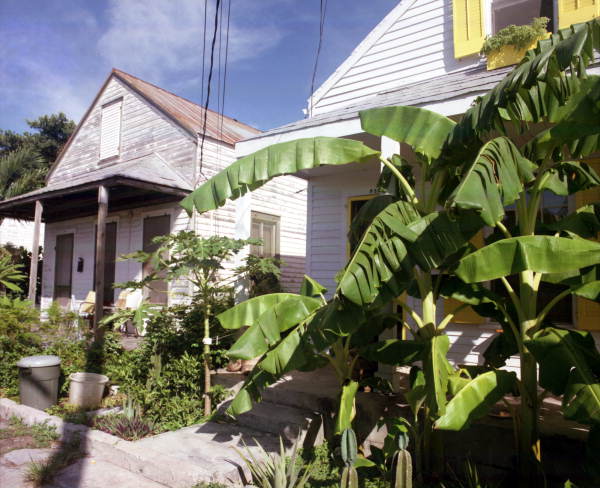
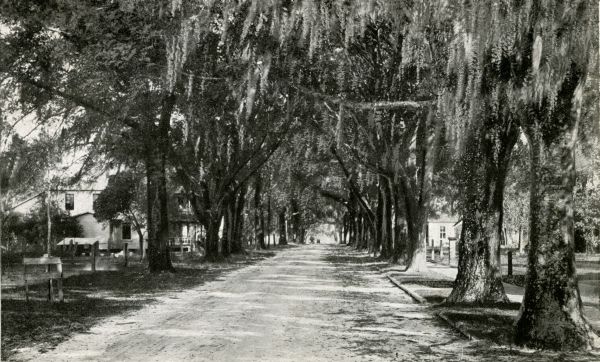
Before mechanical cooling, shade trees were also critical. Live oaks, palms, and other native species were planted strategically to cool homes and streets.
The arrival of air conditioning in the mid 20th century drastically transformed the state. By the 1950s and 1960s, residential AC became increasingly common, particularly in south Florida. Developers no longer had to prioritize cross-breezes or deep porches. Windows grew smaller. Homes became sealed boxes designed to keep cooled air inside.
Air conditioning reshaped more than buildings; it helped fuel Florida’s postwar population boom. Year-round living became comfortable for newcomers unaccustomed to subtropical heat. Office towers, shopping malls, and sprawling suburbs exploded across the peninsula.
As buildings became more energy-dependent, electricity demand surged. Shade trees were replaced by pavement. Traditional architectural knowledge that once worked in harmony with Florida’s climate began to fade.
Today, as conversations about resilience, energy efficiency, and urban heat intensify, architects and planners are looking back for inspiration. Passive cooling strategies, shaded streetscapes, elevated construction, and ventilation-focused design are being reconsidered not as outdated ideas, but as forward-thinking solutions rooted in Florida’s past.
Before air conditioning changed everything, Floridians understood something essential: in the Sunshine State, you do not conquer the climate, you learn to live with it.