
As Hurricane Isaias moves through the Gulf, Floridians should be prepared for the possibility of heavy rain, strong winds, flooding, storm surge, and other impacts in the days ahead. Hurricane forecasts can change quickly, but preparation does not have to wait. Taking a few steps before a storm arrives can help protect your family, your pets, and the wildlife that call Florida home.
What should Floridians do to prepare for Hurricane Isaias?
Now is the time to review your hurricane plan and make sure you have the supplies you may need if conditions deteriorate.
Check your emergency kit and stock essentials such as drinking water, nonperishable food, medications, batteries, flashlights, and pet supplies. Know your evacuation zone and where you would go if local officials issue an evacuation order. Secure loose outdoor furniture and other items that could become dangerous in high winds, and make sure phones and backup batteries are charged.
Most importantly, continue monitoring the National Hurricane Center and your local emergency management agency for the latest information about Hurricane Isaias, watches, warnings, and evacuation guidance.
How do hurricanes affect Florida wildlife?
Hurricanes can dramatically alter wildlife habitat in a matter of hours. Flooding, high winds, storm surge, fallen trees, and changes in water quality can displace wildlife and damage important habitat on land and in the water.
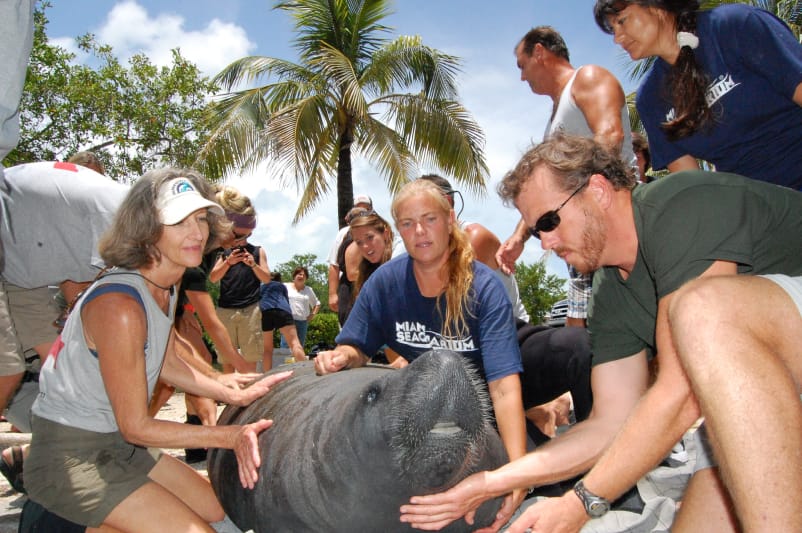
After a hurricane or tropical storm in Florida, you may notice wildlife behaving differently or appearing in unexpected places. Burrowing owls and other ground-nesting wildlife can lose burrows or nesting areas to flooding. Snakes and other reptiles may move to higher ground as water levels rise. Manatees can be injured or displaced by storm surge, debris, damaged docks, and changes to their habitat.
Aquatic ecosystems can also be affected. Heavy rainfall and runoff may change salinity and water quality in Florida’s lakes, rivers, and estuaries. Storms can also reduce dissolved oxygen in the water, sometimes contributing to fish kills.
What should you do if you find injured wildlife after Hurricane Isaias?
Give wildlife plenty of space and avoid attempting to capture or handle an animal yourself. If you encounter wildlife that appears injured, stranded, or in distress before or after Hurricane Isaias, contact FWC’s Wildlife Alert Hotline at 888-404-3922.
Large fish kills can be reported to FWC at 800-636-0511.
Wild animals may be frightened, exhausted, or displaced following severe weather, so an animal appearing somewhere unusual does not always mean it needs to be rescued. When in doubt, contact wildlife professionals for guidance.
How does FWC respond after hurricanes in Florida?
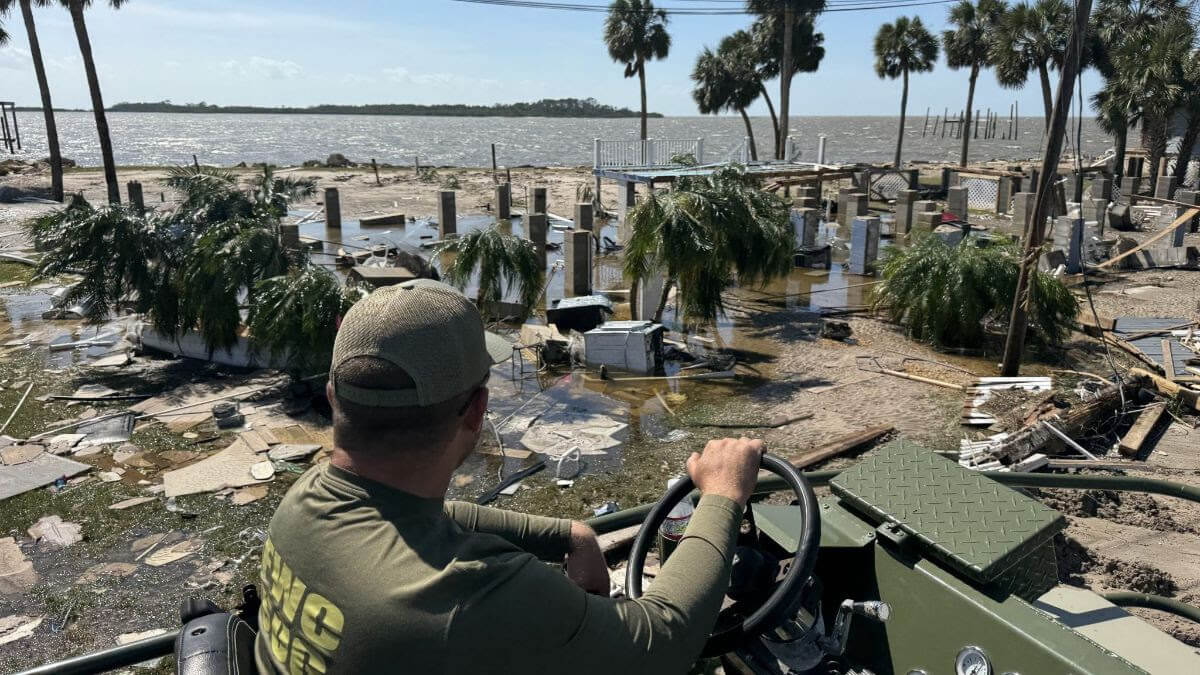
When hurricanes affect Florida, FWC officers, biologists, and other staff may be called on to support emergency response efforts across the state. Their work can include assisting with search and rescue, helping residents in flooded areas, responding to injured or displaced wildlife, assessing impacts to fish and wildlife habitat, and supporting communities as recovery begins.
Our Foundation is proud to support those efforts. With help from our donors, we can provide resources that help FWC respond when emergencies occur. Join us by donating today!
Prepare now and stay informed
We cannot know exactly what Hurricane Isaias will bring to every Florida community, and conditions can change as the storm develops. What we can do is prepare.
Review your hurricane plan, gather your supplies, make arrangements for your pets, follow guidance from emergency officials, and keep an eye out for wildlife that may need help after the storm passes. A little preparation now can make a meaningful difference for our families, our communities, and wild Florida.
Stay safe, Florida!