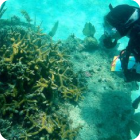

Florida’s Coral Reef is facing unprecedented challenges. Rising ocean temperatures, disease outbreaks, and human impacts have taken a heavy toll on a system that protects our coastlines, supports fisheries, and fuels local economies. Addressing these challenges requires more than a single solution. Like most conservation efforts, restoring it demands a thoughtful, multi faceted approach.
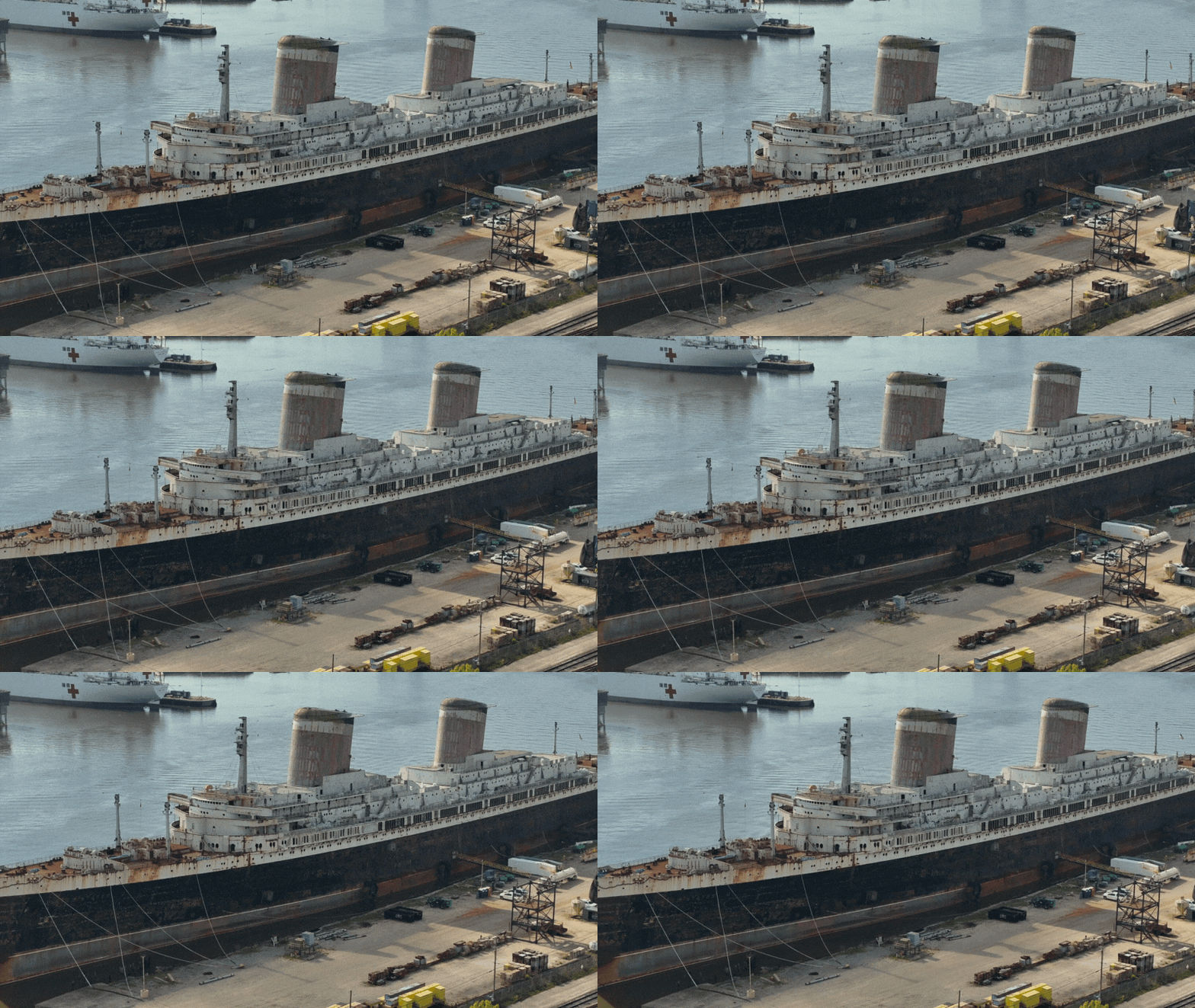
That is why our Foundation supports a wide range of strategies to help reefs recover. From rescuing and growing corals in land-based facilities like the Florida Coral Rescue Center to expanding artificial reefs that provide new habitat for marine life, each piece plays an important role. One of the most ambitious and inspiring efforts underway is the transformation of the SS United States into what will become the world’s largest artificial reef.
The SS United States is no ordinary vessel. Built in the early 1950s, it symbolized American innovation, strength, and speed, and it still holds the transatlantic crossing speed record today. For decades, the ship carried passengers across the ocean that connects continents and cultures. Now, it is preparing for a very different mission.
Thanks to a generous $2 million dollar donation from Garner and Connie Koons to our foundation, we are proud to help support the complex process of turning the SS United States into an artificial reef off Okaloosa County in Florida’s panhandle. Preparing a ship of this size for sinking is lengthy, meticulous, and expensive. Every inch must be carefully stripped and cleaned to meet strict environmental standards so it will be safe for marine life and surrounding waters for generations to come.
Artificial reefs play an important role in supporting healthy ocean ecosystems. Sunken ships and purpose-built structures create hard surfaces where corals, sponges, and other organisms can attach and grow. Over time, these structures become thriving underwater communities that offer shelter and feeding grounds for fish and invertebrates. Florida has seen this transformation before. In 1986, the Thunderbolt was intentionally sunk in 120 feet of water four miles south of Marathon and Key Colony Beach in Florida. The ship is now home to colorful sponges, corals, and hydroids, providing food and habitat for a variety of sea creatures.
Artificial reefs also help reduce pressure on natural reefs by offering alternative destinations for divers, anglers, and snorkelers. In doing so, they support local economies while helping protect fragile natural reef systems from overuse.
There is something deeply fitting about the future of the SS United States. Once supported by the ocean as it carried passengers across the Atlantic, the ship will now give back by supporting the ocean itself.
The challenges facing Florida’s Coral Reef cannot be solved with a single solution. Rescuing corals, growing them in nurseries, restoring reefs offshore, and creating new underwater habitat all work together toward the same goal. You can support work like this and more by making a donation to our Restoring Our Reefs fund today.