

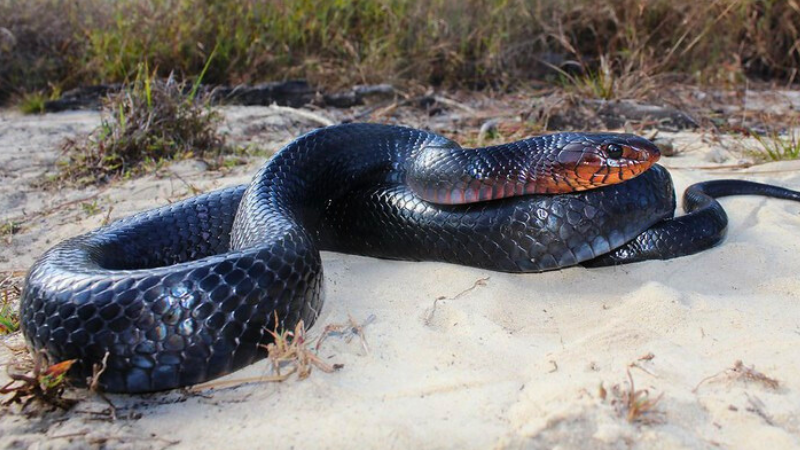
Snakes may not always get the same attention as Florida’s more charismatic wildlife, but they play a vital role in keeping our ecosystems healthy. They help control rodent populations, serve as prey for larger predators, and even influence plant communities through the prey they eat. Yet, like so many species, they face a growing list of threats, including some we cannot see with the naked eye.
With support from a Conserve Wildlife grant, the Florida Fish and Wildlife Conservation Commission (FWC) and Tall Timbers Research Station are working to uncover a largely hidden danger: wildlife diseases. This new study builds on a landmark snake survey conducted in the Red Hills region 20 years ago. Researchers are returning to the exact same trap sites to see how snake populations have changed and, for the first time, adding a broad disease screening to the mix.
The diseases in question are serious. Snake fungal disease (SFD), found in at least 23 states including Florida, can cause skin lesions, abnormal shedding, and in severe cases, death. Cryptosporidiosis attacks the digestive tract and is often lethal. Raillietiella orientalis, a lung parasite first introduced by invasive Burmese pythons in south Florida, has begun spreading to native species. This parasite suffocates snakes from the inside out and has been documented in more than a dozen native species elsewhere in the state.
The first round of testing is already revealing important insights. Of 50 snakes sampled so far, nine tested positive for SFD, including Florida cottonmouths, corn snakes, southern black racers, eastern garter snakes, eastern mud snakes, and eastern diamondback rattlesnakes, a species currently under consideration for federal protection. No cases of Crypto or the invasive lung parasite have been detected yet, but researchers expect their presence in the region is only a matter of time.
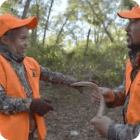
Over the next year, the team will continue its intensive fieldwork, checking 21 drift fence arrays for three weeks each month between March and October. A drift fence array is a setup of low silt fencing arranged to guide snakes into funnel traps or box traps. At Tall Timbers, each array consists of four 50-meter-long fences radiating from a central wooden box trap, with a funnel trap at the end of each fence. This method allows researchers to capture snakes moving through a variety of habitats, including upland areas, mixed hardwood bottomlands, and fallow fields.
Every snake is identified, measured, tagged, and swabbed before being released at the capture site. By the end of the study, nearly 200 snakes will have been tested, making this one of the most comprehensive snake disease surveys in the United States.
Understanding which pathogens are present and in which species is critical for protecting Florida’s native snakes. The data will help guide management decisions, inform conservation policy, and prepare for potential disease outbreaks before they become widespread.
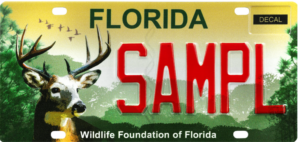
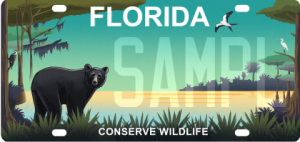
Your purchase of the Conserve Wildlife license plate makes this work possible. Thanks to you, we can support research that safeguards even the most overlooked members of Florida’s wildlife family.