


Our Foundation works to protect wild Florida and values the diverse experiences people bring to outdoor spaces. During Black History Month, we are highlighting Black voices who experience, document, and share Florida’s outdoors in meaningful ways. From behind the camera to out on the water with family, these stories reflect the many ways Black Floridians connect with nature and why representation in outdoor spaces matters.
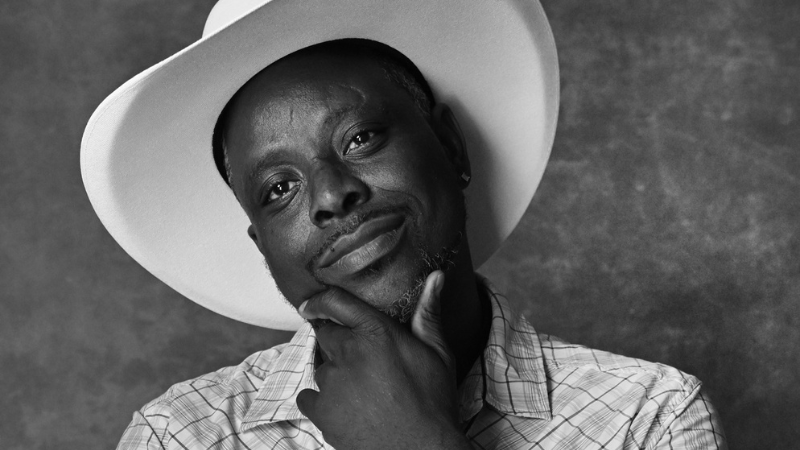
Meet George McKenzie Jr., a National Geographic Explorer, wildlife photographer, and videographer whose work captures Florida’s wild places with both reverence and responsibility.
For George, Florida’s wild places sparked a lasting curiosity and ultimately a life-changing move. After receiving an opportunity to learn from Carlton Ward Jr. during the production of Path of the Panther, he relocated from Brooklyn, New York, to south-central Florida to chase his dream of becoming a wildlife photographer. That experience deepened his connection to Florida’s landscapes and wildlife and helped shape the way he approaches conservation storytelling today: with patience, humility, and a commitment to long-term work. “Many of my images come from returning to the same places, listening more, building trust in the community, and letting stories develop naturally,” he said. “Conservation is not a one-week assignment — it requires long-term commitment.”
As a National Geographic Explorer, George knows his images reach far beyond Florida. With that reach comes responsibility. “When I invite people into a world they might never see, I owe that place accuracy, dignity, and context,” he said. “Conservation storytelling should be more than just spectacle.”
As his career grew, George found himself more often in Florida’s working landscapes rather than remote wilderness. Photographing ranches, private land, and places where stewardship is shaped by generational knowledge gave him a new perspective on what protection can look like.
George sees representation as essential to the future of conservation storytelling. “Representation matters because it influences who feels welcome in the outdoors and who feels seen in the story,” he said. While Black communities have always built relationships with land and water through work, tradition, survival, joy, and stewardship, they have often been excluded from conservation media. “When we are left out of these stories, it tells the next generation, ‘This isn’t for you,’” he said. “But we belong here. We have always belonged.”
Through his work, George hopes to strengthen conservation by helping more people feel a sense of ownership, connection, and responsibility to nature. Above all, George wants people to see Florida differently. “Florida is more than just beaches and postcards,” he said. “It’s panthers, cranes, scrub, prairie, rivers, wetlands, fire-adapted ecosystems, and rare species found nowhere else.”
He believes helping someone fall in love with a place, even for a moment, can lead to conservation. “If someone thinks, ‘I didn’t know Florida was like that,’ and wants to protect it, that’s success,” he said.