







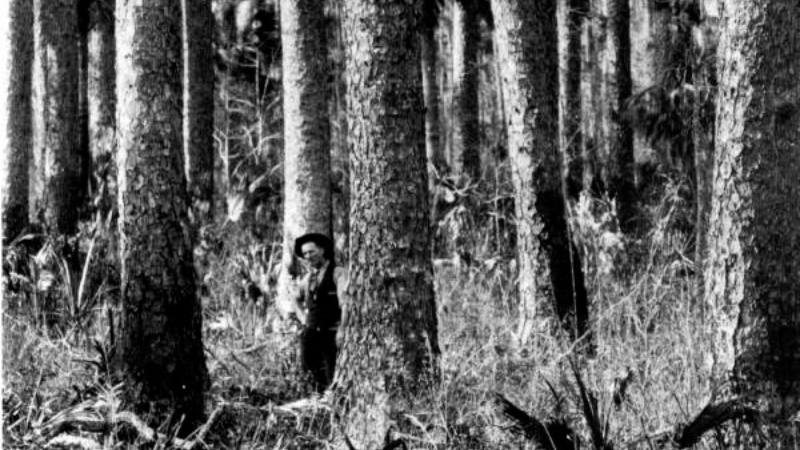
Longleaf pine (Pinus palustris) once covered nearly 90 million acres across the southeastern United States, from Virginia to Texas, including much of Florida. This fire-adapted tree thrived in areas that regularly experienced natural fires, which played a key role in shaping the landscape. Those fires helped keep the forest floor open and sunny, allowing grasses, wildflowers, and countless other species to flourish beneath the pines.
The longleaf pine ecosystem supports a rich biodiversity, including species like the red-cockaded woodpecker and gopher tortoise. However, extensive logging, land conversion, and fire suppression practices led to a dramatic decline in longleaf pine forests, reducing them to less than 5% of their original range by the 20th century.
In response to this decline, landowners and foresters in Florida turned to faster-growing species to meet timber demands. Loblolly pine (Pinus taeda), native to the southeastern U.S., became a preferred choice due to its rapid growth rate and adaptability to various soil types. While loblolly pine plantations provided a quick timber resource, they often lacked the ecological complexity and fire resilience of the original longleaf ecosystems.
Recognizing the ecological importance of longleaf pine ecosystems, restoration efforts have been initiated across the sunshine state. Agencies like the U.S. Fish and Wildlife Service and the Florida Fish and Wildlife Conservation Commission have implemented programs to reestablish longleaf pine habitats, emphasizing the use of prescribed fire to maintain ecosystem health. These restoration projects aim to recover not only the trees but also the rich biodiversity associated with longleaf pine savannas.
Through collaborative efforts, there is hope to restore significant portions of this once-vast ecosystem, preserving its ecological importance for future generations.